
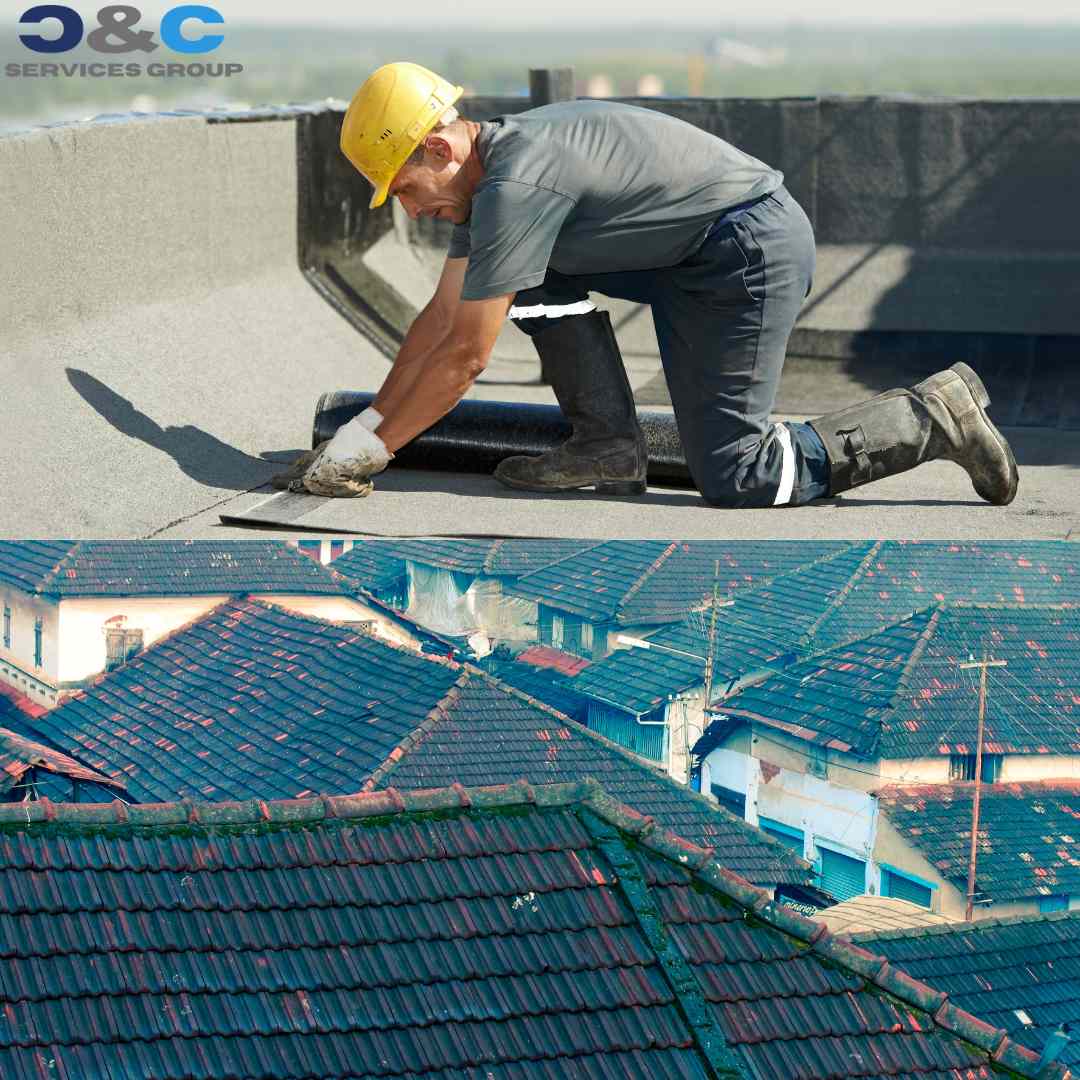
Flat Roof vs. Sloped Roof: How to Decide Which Is Better for Your Home?
Flat Roof vs. Sloped Roof: When building a home or renovating one, the most important decision that homeowners are likely to encounter is the appropriate selection of roofing systems. As much as aesthetics matter, giving your home a roofing that protects it from external influences and gives longevity is as important. Among the widely known roofing styles are flat roofs and sloped roofs which offer certain pros and cons. There are various factors to consider while making this choice, from climate factors to budget issues and long-term maintenance requirements.
Here is the detail of the differences between flat roofs and sloped roofs, compares the advantages and disadvantages, and identifies which types of houses are more suited for them. Once you read this article you will know exactly which roofing system to choose for your house.
1. Understanding Flat Roofs
As their name suggests, flat roofs are roofed surfaces that have an almost imperceptibly low angle of slope usually ranging from 0 to 10 degrees. Not being completely flat (a little slope is indeed required to let water run-off), these roofings have a certain aesthetic value due to their minimal gradient. Mainly used in commercial buildings, these recently picked up their popularity in residential structures, particularly when the house designs seem modern or minimalist.
Advantages of Flat Roofs
1.1. Cost-Effective Installation
Generally, flat roofs are less costly to install as compared to sloping roofs. The first reason is that they have a much simpler design; therefore, for fewer materials and simpler installations, the costs will be reduced significantly in order to save substantially on primary costs. Installation will also take a much shorter time, meaning the labor costs will also be cheaper.
1.2. Space Efficiency
Another desirable feature associated with flat-roof houses is the additional livable space. You can have a flat roof for a rooftop garden, a terrace, or even an outdoor living area. This extra space not only gives your house a higher value but also becomes one of the best selling points in case you decide to sell the house someday.
1.3. Easy Maintenance and Access
Because of the accessible surface of flat roofs, maintenance is less difficult. Whether cleaning gutters, checking for leaks, or putting up solar panels, flat roofs offer a safer and more straightforwardly accessible platform for any such activities. Contractors can easily access the roof, making repairs and inspections less cumbersome and often more affordable.
1.4. Contemporary Aesthetics
Flat roofs are a fantastic design option for homeowners who would like to have a home with a more contemporary and sleek architectural design. The minimalist look of a flat roof supports the contemporary look of a house and can create a dramatic, urban look. Plus, flat roofs allow for creative architectural features such as skylights or green roofs, which can be useful and aesthetically pleasing.
Drawbacks in Flat Roofs
1.5. Water Drainage Problems
Flat roofs have a low slope and tend to collect water in some quantities. Such water sometimes increases the chances of leakage in the roof, water damage, and structural issues. Owners of flat roofs, therefore need to run checks on their drainage systems, ensuring that they are efficient, and checking the roof regularly for possible long-term damage issues.
1.6. Short Lifespan
In fact, flat roofs have a shorter lifespan than sloping roofs. Since they do not possess slopes, they are more susceptible to various kinds of wear and tear, especially in the presence of standing water, UV rays, or other extreme climatic conditions. Even if EPDM and TPO are considered modern materials of flat roofing, the former is considered one of the best but does need more frequent service and replacement.
1.7 Insulation Challenges
As a general rule, flat roofs would not have as much insulation as sloping roofs, which might create issues in terms of energy efficiency. If not insulated well, during winter heat may escape from your home and excessively warm it up in the summer. Of late, though, developments in roofing technologies have even provided significant insulation options for flat roofing, which has somewhat reduced this problem.
2. Understanding Sloped Roofs
Sloped roofs, often referred to as pitched roofs, have a steeper incline ranging from 15 to 70 degrees, depending on the design. This type of roofing is traditional and widely used in residential buildings across the globe. Sloped roofs can be designed in various styles, including gable, hip, mansard, and gambrel, each offering a distinct look and functionality.
Advantages of Sloped Roofs
2.1. Beautiful Water Drainage
In fact, sloped nature is one of the natural features that make them excellent for water drainage. Where there is a slope, rainwater and materials like snow tend to flow easily down without causing leaks or water damage.
This natural draining system makes sloping roofs greatly fit for regions with heavy rain or snowfall. It minimizes the chances of having standing water, which otherwise causes long-term damage in other roofing systems due to a long period while water stands on the roof.
2.2 Longer Life
Sloped roofs generally outlast flat roofs because they easily shed water; secondly, the intensity of climatic conditions is easily handled with sloped roofs. Some of the common materials that are used for sloping roofing systems include asphalt shingles, metal roofs, and tiles, which may last between 20 to 50 years from the date of installation, depending on the material used and maintenance standards.
This durability makes sloped roofs relatively cheaper in the long run because they require fewer repairs and replacements compared to flat roofs in the long run.
2.3. Better Insulation
Better insulation is another significant advantage that sloped roofs give, making a house more energy-effective. Because of the slope, insulations are easier to access, meaning more can be installed, which keeps the house warmer in winter and cooler in summer.
Another great advantage of the sloped roof is that it creates attic space. Such space acts as additional insulation, and by saving all that heat during winter and preventing excessive heat gain during summer, the house, therefore, becomes even more energy efficient.
2.4. Versatility in Design
Sloped roofs offer flexibility in design from traditional to modern, while a classic gable roof will bring simplicity while the mansard roof brings a more complex look. Architectural style flexibility will allow the homeowner an opportunity to select a style that would suit the home best, promoting the curb appeal.
A designed sloping roof very considerably maximizes the value of your house, thereby making it more attractive to potential buyers.
2.5. More Structural Strength
Sloped roof designs endure the whole house better. The slope provides an even distribution of the weight of the roof. This aspect is highly beneficial in regions that experience heavy snowfall or strong gusts.
This added strength negates the possibilities of roof collapse upon extreme weather exposure, hence making sloped roofs safer selections for homes that are located in extreme climatic regions.
Disadvantages of Sloped Roofs
2.6. More Installation Cost
Sloping roofs are actually more complicated to install than flat roofs and tend to cost more in install. More materials, labor, and a longer time are needed for the higher slopes installed in a house, leading to higher investments generally.
In many instances, the installation will cost homeowners an initial investment which, when choosing a sloping roof, is higher.
2.7. Limited Usable Space
Unlike flat roofs, sloped roofs do not offer additional usable space on the top of the home. The incline makes it challenging to utilize the roof for outdoor living spaces, gardens, or other functional uses.
However, some homeowners convert the attic space created by the sloped roof into a functional living area, compensating for the lost space on the rooftop.
2.8. Difficult Maintenance and Access
Maintaining a sloped roof can be more difficult and unsafe compared to a flat roof. The steep incline makes it challenging for repair specialists, inspectors, or cleaning professionals to access the roof safely.
As a result, maintenance costs may be higher, and homeowners may need to hire specialized contractors to handle repairs or inspections, driving up the overall cost of upkeep.
3. Key Factors to Consider When Choosing Between Flat and Sloped Roofs
Choosing between a flat roof and a sloped roof requires evaluating several key factors that influence your home’s functionality, aesthetics, and long-term costs. Let’s take a closer look at these factors:
3.1. Climate
The suitability of which roofing system is more appropriate can be determined mainly by your local climate. If your location tends to receive heavy rainfall or snowfall, then a sloped roof is likely the better choice, as it has an obviously superior ability to drain out water. On the other hand, if you live in a dry and arid climate, then a flat roof will really be more appropriate to your place, especially if you intend to utilize additional space for your rooftop garden or solar panels.
3.2. Budget
Budget constraints are a major consideration for most homeowners. If you are looking for a cost-effective roofing solution, a flat roof may be the better option due to its lower installation costs. However, it’s essential to consider long-term maintenance costs, as flat roofs may require more frequent repairs and replacements compared to sloped roofs.
3.3. Aesthetics
Your personal style and the architectural design of your home will also influence your decision. Flat roofs are ideal for modern, minimalist homes, while sloped roofs are more suitable for traditional or rustic designs. It’s essential to choose a roofing style that complements your home’s overall aesthetic and enhances its curb appeal.
3.4. Energy Efficiency
If energy efficiency is a top priority, a sloped roof may be the better choice due to its ability to accommodate more insulation materials. However, with advancements in flat roofing technology, you can also achieve good insulation and energy efficiency with a flat roof, provided you invest in high-quality materials.
3.5. Long-Term Maintenance
Consider the long-term maintenance needs of both roofing systems. Flat roofs are easier to access for maintenance tasks, but they may require more frequent inspections and repairs. Sloped roofs are more durable and longer-lasting, but maintenance tasks can be more challenging and costly.
4. Conclusion: Which Roof Is Right for Your Home?
The decision between a flat roof and a sloped roof is really, in the last analysis, a question of your particular needs, budget, and preferences. The use of a flat roof can be a cost-effective design with extra usable space ideal for contemporary layouts. On the other hand, if durability, energy efficiency, or better water drainage are your priority then a sloped roof will be of better preference to you.
The best rooftop for your home, which you may end up choosing, will depend on several factors such as the climate you have, budget, and also long-term maintenance needs for the roof. Once you compare the pros and cons of each, you can make the right choice that may enhance the functionality and aesthetic appeal of your home.
Regardless of the choice made, whether it will be a flat roof or sloped roof, you will need to ensure that you work with a licensed roofing contractor who will not only guide you effectively on the right materials but also how to install those materials on your roof properly. A well-installed roof is key to protecting your home and keeping it for years.