
The Influence of Roof Design on Home Energy Efficiency
In today’s environmentally conscious world, energy efficiency is more than a buzzword—it’s a critical aspect of sustainable living. As homeowners seek ways to reduce their energy consumption and utility bills, the focus often turns to the usual suspects: windows, insulation, and HVAC systems. However, the design of a home’s roof plays an equally pivotal role in its overall energy performance. An effectively designed roof can significantly decrease the need for artificial heating and cooling, thus reducing energy costs and enhancing the home’s environmental footprint.
This blog explores the fundamental ways in which roof design impacts energy efficiency. From the choice of materials and colors to the structural design itself, each component holds the potential to transform your home into a model of energy efficiency. Understanding these elements will empower homeowners to make informed decisions that contribute to both the longevity of their property and the health of the planet.
Basics of Energy-Efficient Roof Design
Creating an energy-efficient roof design starts with understanding the fundamental components that impact its performance. These components include the materials used, the color of the roof, and the overall structural design, all of which play a significant role in the roof’s ability to regulate indoor temperatures and reduce energy consumption.
Materials: The choice of roofing design material is critical. Some materials are better at reflecting sunlight and heat away from the home, while others provide better insulation. For instance, metal roofs are excellent at reflecting solar heat, especially when treated with a reflective coating, whereas clay tiles offer good thermal mass that helps in maintaining steady indoor temperatures.
Color: The color of your roof also affects its energy efficiency. Lighter colors reflect more sunlight, which can significantly reduce cooling costs in warmer climates. In contrast, darker roofs absorb heat, which might be beneficial in colder regions but can increase air conditioning costs in hot areas.
Structure: The structural design of the roof influences how air moves around and through it, affecting heat loss and gain. A steeply pitched roof, for example, may provide better ventilation and thus reduce cooling needs compared to a flat roof. Additionally, the design can accommodate features like eaves and overhangs, which provide shade and further control the amount of sunlight hitting the house.
By integrating these elements thoughtfully, homeowners can optimize their roof design for energy efficiency. This optimization not only helps in maintaining a comfortable living environment but also contributes to substantial energy savings over time.
Impact of Roofing Materials on Energy Efficiency
Choosing the right roofing material is crucial for optimizing energy efficiency. Each material has unique properties that affect how it insulates your home and reflects solar energy, influencing overall energy consumption. Here’s a detailed look at some common roofing materials and their impact on energy efficiency:
- Asphalt Shingles: One of the most popular roofing materials due to their cost-effectiveness and ease of installation, asphalt shingles have moderate reflective properties. However, they can absorb more heat compared to other materials unless equipped with specialized reflective coatings.
- Metal Roofing: Metal roofs are highly reflective and can significantly reduce cooling costs by reflecting sunlight and heat away from the building. They are also durable and can help with rainwater harvesting due to their smooth surfaces. Their insulation properties can be enhanced with the addition of an insulating underlayment.
- Clay and Concrete Tiles: These materials have excellent thermal mass, meaning they can absorb heat during the day and release it slowly as temperatures cool, which helps maintain a steady indoor temperature. This property makes them ideal for warm climates where night temperatures drop significantly.
- Slate Tiles: Slate roofing is another material with good thermal mass and durability. While more expensive, it provides a natural aesthetic and can help maintain indoor temperature stability, especially in climates with significant temperature fluctuations.
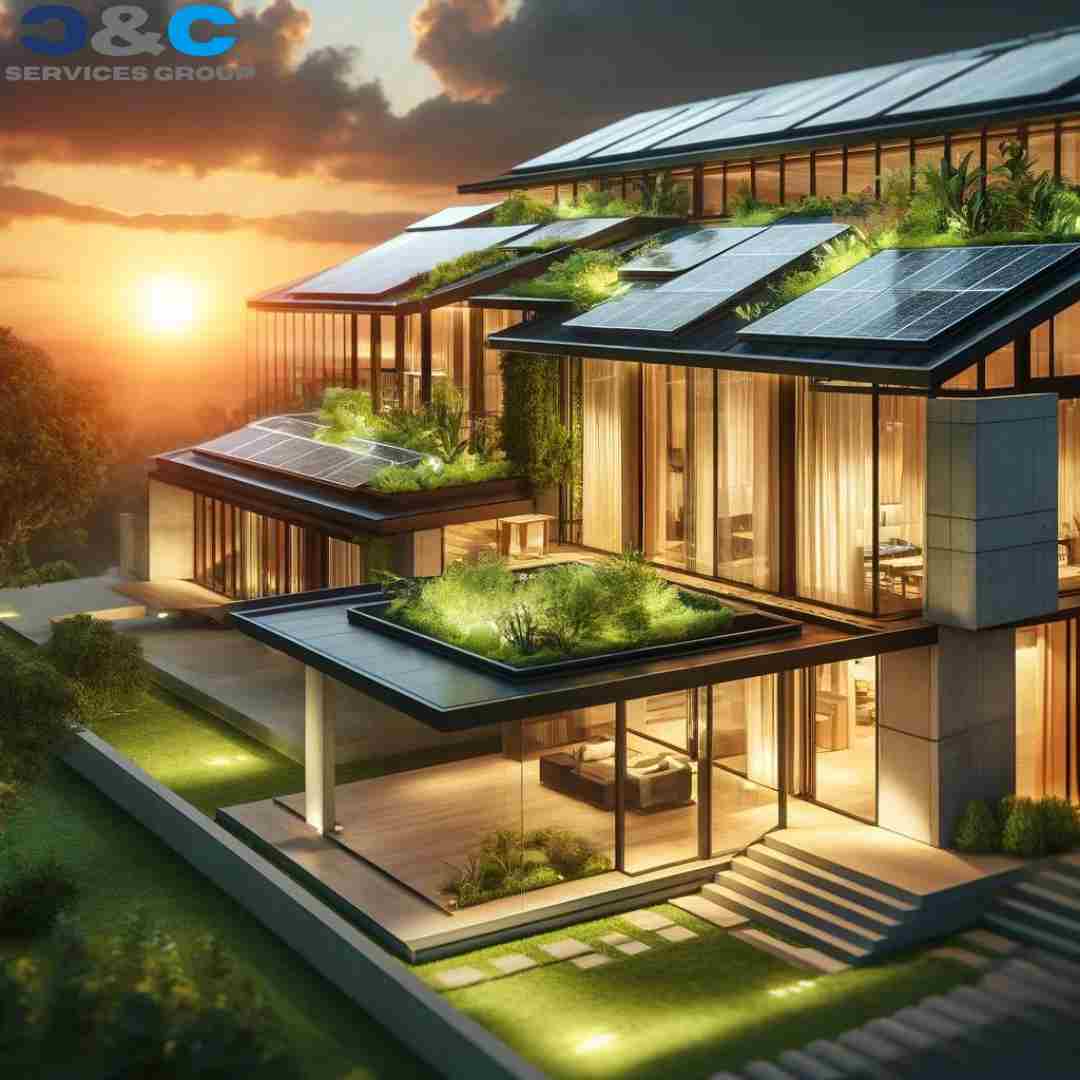
- Green Roofs: Composed of a waterproof membrane covered by soil and vegetation, green roofs are excellent insulators. They absorb and store heat, significantly reducing the amount of energy needed for heating and cooling. Additionally, they manage rainwater effectively and add biodiversity to urban areas.
- Solar Tiles: Integrating solar technology directly into roofing tiles allows homeowners to generate electricity while also providing the traditional benefits of a roof. This dual function makes solar tiles an increasingly popular choice for those looking to maximize the energy efficiency of their homes.
Understanding the properties of these materials can guide homeowners in selecting a roof that not only fits their aesthetic and budgetary needs but also contributes to their home’s overall energy efficiency.
Role of Roof Color and Coatings in Reflecting Heat
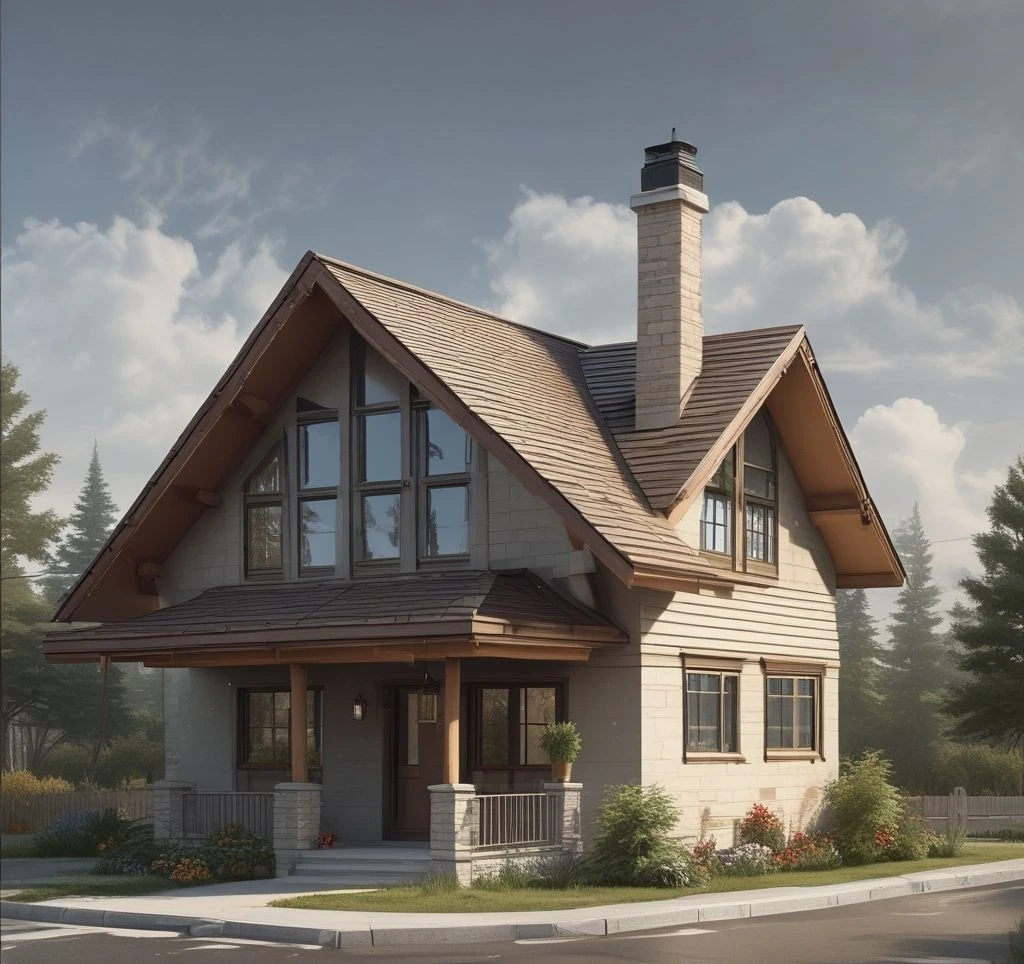
The color of your roof plays a significant role in your home’s energy efficiency, especially in climates that experience high temperatures and strong sunlight. Lighter-colored roofs have been shown to reflect more sunlight and absorb less heat compared to darker ones, which can lead to substantial savings in air conditioning costs.
Light-Colored Roofs: Roofs painted in shades of white, light gray, or other pale colors are excellent at reflecting the sun’s rays. This reflection helps to keep the indoor temperature of your home lower during hot weather. Studies have shown that light-colored roofs can reflect up to 85% of sunlight compared to dark-colored roofs which might only reflect about 20%.
Cool Roofs: Beyond just light colors, specific “cool roof” coatings can be applied to roofing materials to enhance their reflective capabilities. These coatings are made from special reflective pigments that extend the roof’s life by reducing temperature fluctuations. They not only help in reflecting sunlight but also in emitting absorbed heat, which is crucial for maintaining lower roof surface temperatures.
Impact on Energy Savings: By reducing the amount of heat absorbed by the roof, these cool roofs decrease the need for air conditioning, leading to energy savings ranging from 7% to 15% of total cooling costs. In large buildings or homes in hot climates, these savings can be even more significant, making cool roofs a wise investment for both financial and environmental reasons.
Regulatory Incentives: In some regions, installing cool roofs can qualify homeowners for rebates and incentives. These programs are designed to encourage energy conservation and can offset some of the costs of upgrading to a cool roof system.
Incorporating the right color and coatings on your roof is not only a strategic decision for enhancing your home’s aesthetic appeal but also a practical one for improving energy efficiency and reducing utility bills.
Importance of Insulation and Ventilation
Effective insulation and proper ventilation are crucial components in roof design that significantly influence a home’s energy efficiency. These elements work together to maintain a comfortable indoor climate, reduce energy consumption, and prevent long-term damage from moisture accumulation.
Role of Insulation: Insulation in the roofing system plays a pivotal role in minimizing heat transfer between the interior and exterior of a home. In winter, it helps retain warmth inside the house, reducing the need for heating. During the summer, it prevents excessive heat from penetrating the living spaces, thereby easing the load on air conditioning systems. Different materials, such as fiberglass, foam board, and cellulose, offer varying degrees of insulation effectiveness, but all contribute to a more stable and controlled indoor environment.
Ventilation Systems: Proper roof ventilation is essential to remove excess heat and moisture from attic spaces. Inadequate ventilation can lead to a buildup of heat in the attic during summer, which can cause the cooling systems to work harder, increasing energy costs. During colder months, poor ventilation can lead to moisture accumulation, which risks mold growth and structural damage. Ventilation systems typically include soffit vents, ridge vents, and gable vents, which help in creating a continuous airflow to keep the attic space dry and temperate.
Combining Insulation and Ventilation: It’s essential to balance insulation and ventilation within the roofing system. Over-insulating without adequate ventilation can trap moisture inside, leading to mold growth and wood rot. Conversely, excessive ventilation without sufficient insulation can lead to significant energy losses. A well-designed roof will have a harmonious balance between these two elements, tailored to the specific climate conditions of the area.
Energy Efficiency Improvements: Investing in high-quality insulation and ensuring proper ventilation not only enhances comfort but also leads to noticeable energy savings. By maintaining more consistent indoor temperatures, these measures reduce the need for mechanical heating and cooling, which can significantly lower utility bills.
Homeowners should consider consulting with roofing and insulation professionals to assess their current roof’s insulation and ventilation. This assessment can identify opportunities for improvements that will contribute to better energy efficiency and overall home comfort.
Innovations in Roof Design for Enhanced Energy Efficiency
The roofing industry has seen significant advancements in technology and design aimed at increasing energy efficiency. These innovations not only improve the environmental footprint of homes but also offer long-term cost savings for homeowners. Here are some of the leading innovations in roof design:
- Green Roofs: These living roofs are covered with vegetation that helps insulate buildings, reducing the need for heating in winter and cooling in summer. Green roofs also manage stormwater, reduce urban heat islands, and provide natural habitats.
- Solar Roof Tiles: Unlike traditional solar panels, solar roof tiles integrate photovoltaic cells directly into roofing materials. This design allows homeowners to generate their own electricity while maintaining the aesthetic integrity of their home.
- Cool Roofing Technology: Modern cool roofs are designed with highly reflective and emissive materials that can significantly reduce building temperatures. New materials and coatings are being developed to improve their effectiveness and durability.
- Modular Roofing: This innovative approach involves prefabricated roofing sections that are built off-site and then assembled quickly on-site. Modular roofs can be designed with integrated insulation and ventilation systems, ensuring optimal energy efficiency from installation.
These technologies demonstrate the roofing industry’s commitment to sustainable practices and energy efficiency. Adopting any of these innovations can help reduce a home’s carbon footprint and energy costs.
Conclusion
Understanding the impact of roof design on a home’s energy efficiency is crucial for any homeowner. From choosing the right materials and colors to incorporating advanced technologies like solar tiles or green roofs, each decision plays a significant role in how energy-efficient a home can be.
Homeowners are encouraged to assess their current roofing system and consider upgrades or replacements that could enhance energy efficiency. Consulting with professionals who specialize in energy-efficient roofing can provide valuable guidance tailored to specific needs and local climate conditions.
By taking proactive steps towards a more energy-efficient roof, homeowners can enjoy reduced utility bills, a more comfortable living environment, and a positive contribution to environmental conservation. For those planning new constructions or major renovations, integrating these principles from the start can lead to optimal results and greater satisfaction.